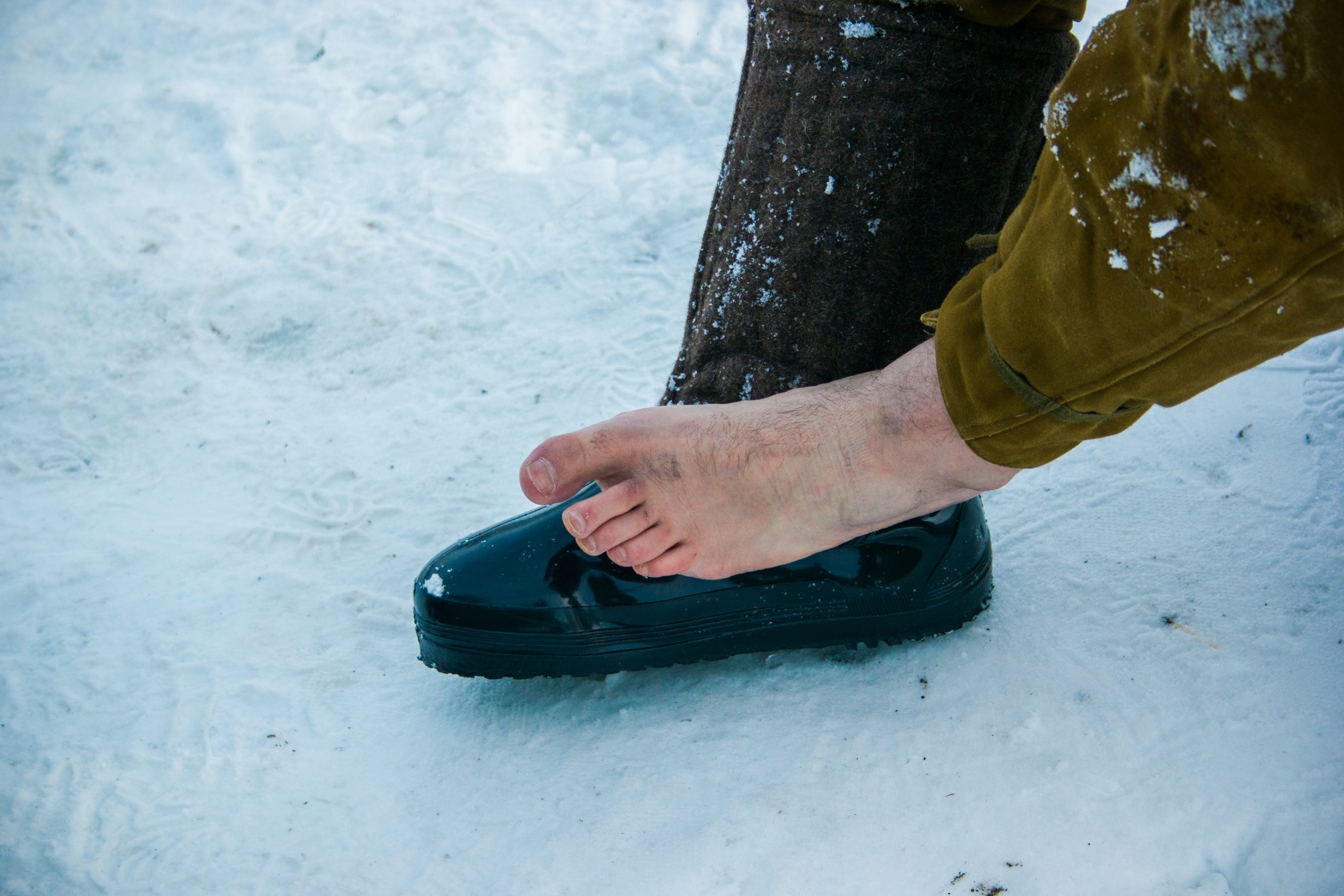

Often linked to mountain climbing and winter activities, frostbite can affect anyone exposed to cold, especially the extremities such as the feet. Quebecers often underestimate the damage frostbite can cause, making it crucial to understand its treatment. Learn more about medical treatments for frostbite on toes and feet.
The degrees of frostbite
Frostbite is a cold burn treated based on lesion severity. There are two types: superficial frostbite, which causes redness and small blisters, and deep frostbite, which numbs skin and may lead to tissue death. The time of skin exposure to cold directly impacts the frostbite degree. Immediate medical action is essential.
The therapeutic foot bath
After warming the foot properly, treatments aim to reduce complications. Foot baths with antiseptics are recommended to clean wounds from burst blisters, kill bacteria, and promote natural healing. Soaking accelerates lesion recovery following frostbite discovery.
The prescription of antibiotics
Frostbite can cause skin cracks, exposing areas to infections from contaminants like Staphylococcus aureus, Streptococcus, and gram-negative bacilli. Physicians may prescribe antibiotics to prevent infection progression and protect the affected limb.
The foot bandage
Bandages protect frostbitten feet from infection, especially with deep frostbite lesions. Part of comprehensive foot care, podiatrists select suitable bandages and apply topical ointments if necessary. Traditional treatment includes sterile gauze, special bandages, and sterilized cotton balls placed between toes to avoid aggravation. Protective splints may also be applied.
Debridement of the damaged skin
Deep frostbite affects tissue and circulation, potentially causing blood clots that block blood flow. Without treatment, tissue death can occur. Surgical removal of damaged skin cells prevents further harm during thawing. This radical method helps avoid serious diseases like gangrene and severe infection.
Partial or complete foot amputation
Amputation, a last resort, can save lives when gangrene threatens the body despite affecting mobility. Types of amputations include:
- Transmetatarsal amputation: removal of forefoot part
- Chopart amputation: cutting anterior calcaneus and talus
- Lisfranc amputation: removal of all toes and metatarsals
- Syme amputation: entire foot severed at the ankle joint
Though podiatrists do not perform amputations, they assist in post-operative care, especially addressing orthopedic needs. Recommendations include orthopedic shoes adapted for prosthetics and custom foot orthoses often used after partial amputation.
PiedReseau – Learn more
For detailed information on frostbite treatment for feet, visit our website. However, consulting a podiatry clinic remains the best option for personalized care. Take care of your feet – they are precious!