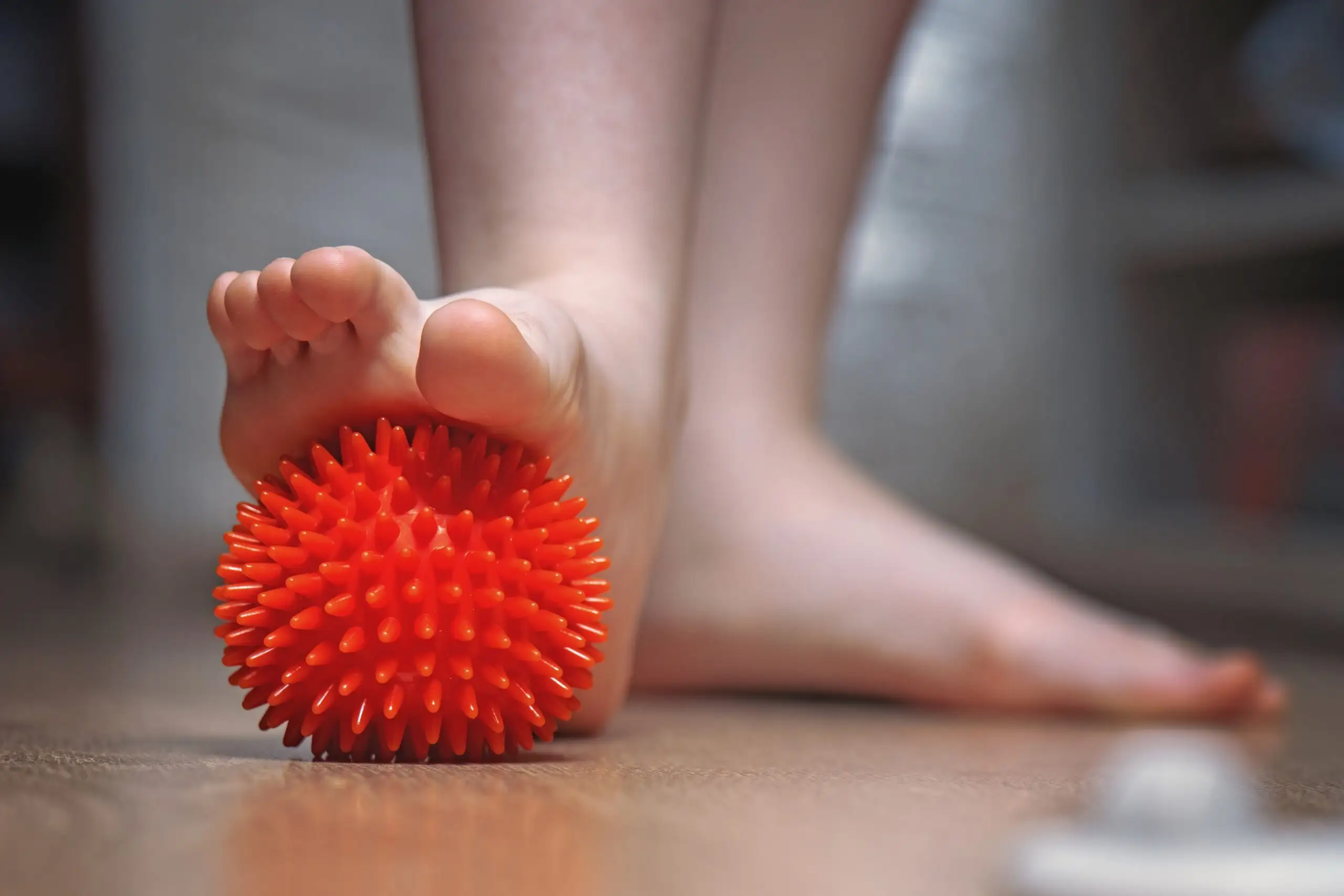

Pain under the foot can significantly impact daily life, making activities like walking or climbing stairs uncomfortable. This discomfort often arises from irritation or overload of the foot’s structures due to constant impacts. Common causes of plantar pain include plantar fasciitis, metatarsalgia, and inappropriate footwear. Understanding these causes is key to finding relief, and consulting a podiatrist can provide tailored solutions.
Pain Under the Foot: Understanding the Structures of the Foot
The sole comprises several critical components that absorb shocks and support the body. The plantar fascia, a fibrous band connecting the heel to the toes, stabilizes the arch during movement. The metatarsals in the forefoot bear significant pressure, sometimes causing burning sensations. The heel’s fat pad serves as a natural shock absorber but thins with age. Tendons, nerves, and joints also contribute to foot function and can become painful from repeated stress. Footwear heavily influences symptoms; rigid or thin soles increase plantar pressure, while supportive shoes can alleviate discomfort. More information on related issues can be found in our articles on heel pain and plantar orthotics.
Plantar Fasciitis: A Common Cause of Pain Under the Foot
Plantar fasciitis results from irritation or overload of the plantar fascia. Pain typically appears under the heel or arch, especially after rest or in the morning’s first steps. Although discomfort may ease during the day, it often worsens after long standing or walking periods.
Why Does the Plantar Fascia Become Painful?
Several factors increase the risk of plantar fasciitis, such as prolonged standing, repetitive sports impacts, unsupportive shoes, limited calf mobility, and certain foot biomechanics. Aging tissues lose flexibility, making the fascia more vulnerable. Occasionally, a Lenoir spur (bony growth) is seen but is not always the pain source. Shoe choice is crucial; too-thin soles elevate plantar pressure.
Metatarsalgia and Forefoot Overload
Metatarsalgia involves pain under the metatarsal heads, often described as burning or feeling like stepping on a pebble. Pain intensifies with walking and wearing narrow or rigid shoes. Body weight and thinning forefoot fat pads amplify pressure sensitivity. Activities like prolonged walking, running, standing work, and wearing high heels aggravate symptoms.
Can Shoes Worsen Plantar Pain?
Shoes significantly affect plantar pain; tight footwear increases forefoot compression while overly soft shoes fail to provide support. Moisture and sweating may also cause irritation. Additional details on forefoot pain are available in our dedicated article.
Other Possible Causes of Pain Under the Foot
Pain under the foot might stem from other issues besides the plantar fascia or metatarsals. Irritated nerves can cause burning, numbness, or electric shock sensations. Stress fractures occur mainly in active individuals or after sudden activity increases. Arthritis causes diffuse pain and stiffness in foot joints. In diabetic patients, nerve or circulatory problems require attention. A podiatrist’s role is to determine the exact cause to provide effective treatment.
When to See a Podiatrist for Pain Under the Foot?
Consultation is advised if pain persists for weeks, limits activities, causes limping, recurs every morning, or comes with numbness. Persistent pain may alter posture and cause secondary issues in knees, hips, or back. Podiatrists conduct thorough examinations, including gait analysis and joint observation. Medical imaging may further clarify diagnosis to guide treatment.
Effective Solutions to Relieve Pain Under the Foot
Treatment depends on the pain’s origin. Often, conservative methods help: relative rest to reduce irritation, stretching exercises for calf and plantar fascia mobility, improved footwear to reduce pressure, and podiatric treatments to decrease inflammation and restore function.
Can Plantar Orthotics Help?
Plantar orthotics redistribute foot pressures and enhance biomechanical alignment during walking. While they may reduce pain during activities, they usually complement other care. A podiatrist assesses their suitability.
Preventing Plantar Pain in Daily Life
Prevention includes regularly replacing worn shoes to maintain shock absorption, varying footwear to change pressure points, and performing mobility and stretching exercises. Monitoring pain is vital, as ignored symptoms may worsen. Older adults should be particularly mindful of walking comfort changes due to natural tissue aging.
Frequently Asked Questions about Pain Under the Foot
Can walking barefoot worsen plantar pain?
Walking barefoot on hard surfaces can increase tension under the heel and arch; comfort depends on floor type and foot condition.
Why does pain under the foot appear after a long day?
Daily impacts cause muscle fatigue and increased inflammation, leading to heightened plantar sensitivity.
Does body weight influence plantar pain?
Yes, higher body weight increases pressure under the foot, stressing foot structures during walking.
Can cold help foot pain?
Cold application may reduce inflammation and soothe discomfort after activity but does not replace professional evaluation if pain persists.
Pain under the foot arises from various causes such as plantar fasciitis, metatarsalgia, and mechanical overloads. Fortunately, appropriate footwear, targeted exercises, and podiatric care can significantly improve comfort and mobility. Persistent or limiting pain warrants a podiatric assessment to identify causes and optimize treatment.
Take care of your feet—they support you every day.