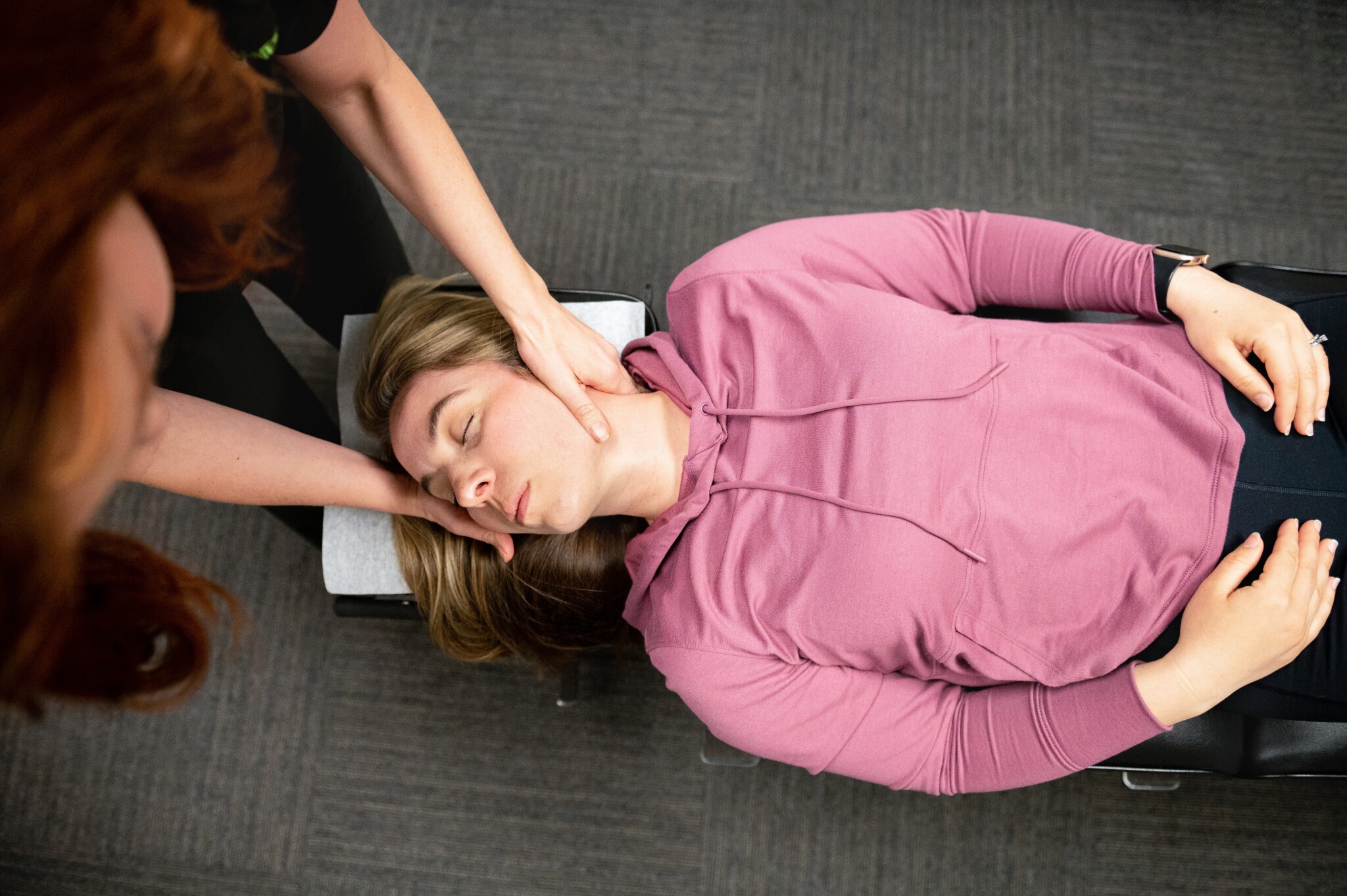

Gentle adjustments, also called crack-free adjustments, are increasingly preferred by patients seeking a comfortable and reassuring chiropractic approach. These techniques use a light and controlled force to respect patient fears and effectively stimulate the nervous system.
Gentle Adjustments: a Safe and Personalized Approach
Gentle adjustments mobilize joints without sudden movements, applying gradual, targeted pressure based on an assessment of joint mobility, muscle tension, and neurological response. These techniques, including instrument-assisted adjustments with controlled impulses, suit anxious individuals, seniors, children, patients with acute pain, and those with inflammatory conditions.
Crack-Free Adjustment: How Does It Work?
The cracking sound often heard during adjustments, known as joint cavitation, results from pressure changes causing gas microbubbles in synovial fluid to burst; this sound is normal and painless. However, a crack-free adjustment also effectively improves joint mechanics by sending a rapid, precise stimulus that promotes better mobility, reduced muscle tension, pain modulation, and enhanced neurological control.
Spinal manipulation does not “put vertebrae back in place” but optimizes joint movement and nervous system stimulation to improve pain perception and neuromuscular function.
When to Choose Gentle Adjustments?
Gentle or crack-free adjustments are recommended for neck pain, lower back pain, cervicogenic headaches, and for patients contraindicated for quick adjustments. For example, office workers with neck stiffness or runners with mild lower back pain can benefit from targeted gentle adjustments combined with exercise to restore safe mobility. Lower Back Pain: Causes and Solutions explains the importance of joint mobility.
Gentle Adjustments and the Nervous System: a Key Role
The nervous system controls all movement, and when joint mobility decreases, sensory receptors send altered signals causing issues like pain and stiffness. Gentle adjustments stimulate these receptors, enhancing brain-joint communication. The World Health Organization endorses conservative treatments for musculoskeletal disorders, with INESSS highlighting lower back pain as a major cause of absenteeism. Chiropractic care aims to restore biomechanics, rehabilitate muscles, and prevent recurrences. Chiropractic and Office Work: Preventing Pain from Sedentary Lifestyle provides prevention tips.
FAQ: Gentle or Crack-Free Adjustments
What is the difference between gentle adjustments and slow mobilization?
Mobilization is gradual and mainly biomechanical, while gentle adjustments, manual or instrument-assisted, target precise neurological stimulation at various speeds. Both improve joint function according to patient needs.
Can gentle adjustments be combined with exercises?
Yes, it is highly recommended as adjustments improve mobility and exercises strengthen and stabilize joints, ensuring lasting benefits.
Can children receive gentle adjustments?
Yes, techniques are adapted by age and development, using very light and specific forces.
Is it normal to feel tired after an adjustment?
Some experience temporary fatigue or relaxation as the body adapts to mechanical and neurological changes.
Can gentle adjustments help prevent injuries?
Yes, well-moving joints reduce compensations and tissue stress, lowering injury risks.
Are gentle adjustments used only for the back?
No, chiropractors use them on neck, shoulders, wrists, hips, knees, and ankles to optimize movement and function.
Gentle or crack-free adjustments provide a reassuring, effective solution respectful of your comfort while stimulating the nervous system and enhancing mobility. Chiropractors tailor interventions to your needs.
Find a clinic and book an appointment at https://chiroreseau.com/en/clinics/ to rediscover confident movement.