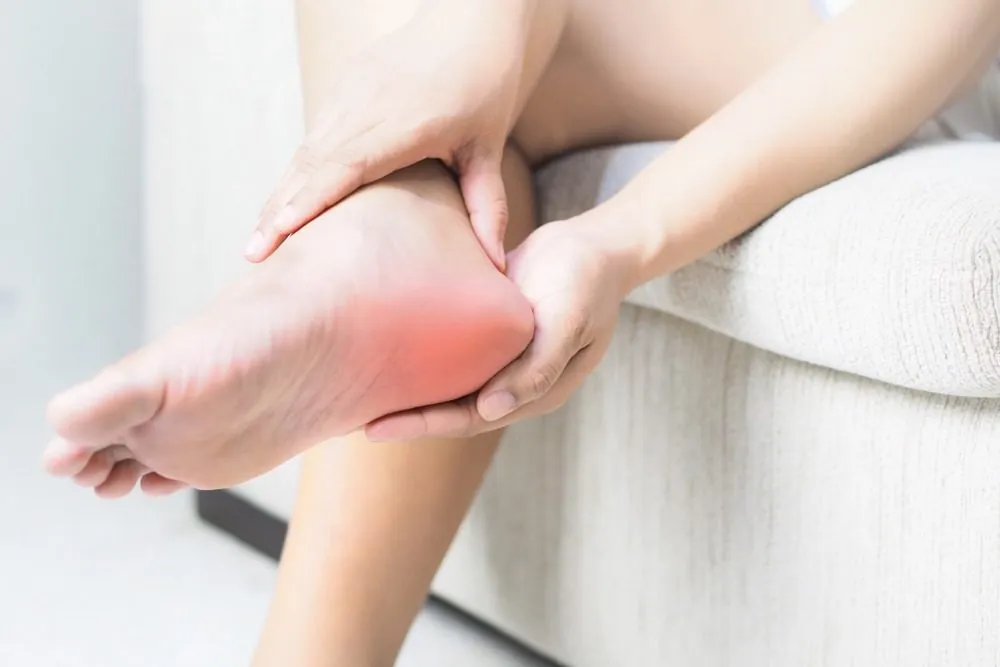

Heel panniculitis is an inflammatory condition affecting the panniculus, a fatty layer beneath the epidermis, commonly causing pain and discomfort in the heel. This skin disease frequently requires consultation with a podiatrist and dermatologist to treat both the heel and skin effectively. Panniculitis can affect other fatty tissues in the body as well. PiedReseau provides essential information on symptoms, causes, prevention, and treatment options for heel panniculitis.
Heel panniculitis symptoms
The main symptom of heel panniculitis is the development of nodules under the skin. These benign but sensitive, ball-like nodules cause abnormalities such as inflammation, bruising, swelling of the Achilles tendon, and pain which can make walking difficult. Additionally, sufferers may experience trouble putting on shoes. Recognizing these symptoms early is important to managing the condition.
Heel panniculitis causes
The most common cause of heel panniculitis is untreated trauma to the fatty tissues. Other factors include poorly fitting shoes causing heel rubbing, exposure to very cold temperatures, foot injuries, and underlying conditions such as Crohn’s disease. Although panniculitis remains an uncommon complication, it is essential to be vigilant and seek medical advice if symptoms appear to facilitate prevention.
Heel panniculitis prevention
Effective prevention of heel panniculitis relies on timely treatment of any underlying medical conditions. Consulting a podiatrist or dermatologist when nodules or symptoms appear is crucial. Since panniculitis can have multiple causes, a thorough diagnosis is needed to determine appropriate preventive measures. Meanwhile, understanding supportive home care remedies helps limit disease progression.
Possible home treatments
While professional medical care is necessary for heel panniculitis, certain home treatments can support recovery:
- Use of nonsteroidal anti-inflammatory drugs (NSAIDs)
- Resting the legs to reduce strain
- Elevating the legs to improve blood flow and alleviate lesions
These measures are particularly helpful during early stages while awaiting consultation with healthcare specialists.
Podiatrist care
The podiatrist plays a key role in diagnosing and treating heel panniculitis based on severity. Diagnosis often involves musculoskeletal ultrasonography to differentiate panniculitis from similar conditions like plantar fasciitis. After diagnosis, a podiatrist may coordinate with dermatologists and physicians to address the root cause.
Treatment options include:
- Managing the underlying illness or injury causing panniculitis
- Application of corticosteroid medications to reduce inflammation
- Ultrasound-guided cortisone injections into the heel for targeted relief
Cortisone injections are natural anti-inflammatory hormones that help alleviate pain, speed healing, and improve recovery.
PiedReseau: your podiatric experts for heel panniculitis treatment
PiedReseau’s network offers expert podiatric care throughout Quebec with over forty clinics dedicated to improving foot health. Utilizing advanced technology and patient-centered approaches, PiedReseau ensures effective treatment for heel panniculitis and other foot conditions.
Find a clinic near you and schedule an appointment today to receive comprehensive care for heel panniculitis.